Siddharth Rajsekar Diamond Membership Review: The Question Nobody Answers
Siddharth Rajsekar Diamond Review: Is It Worth It or Do You Need Personal Mentorship?
If you are searching for “Siddharth Rajsekar Diamond review,” “Is Siddharth Rajsekar Diamond Membership worth it?”, or “What is there in Siddharth Rajsekar Diamond Membership?”, you are probably trying to answer one important question:
Will this actually help me build my digital business?
I am Sunil Chaudhary, Leading Digital Coach India, and I want to give you a balanced perspective.
I am not writing this article to say that Siddharth Rajsekar’s Diamond Membership is good or bad. There are many valuable things in a strong digital-business ecosystem: learning, community, exposure, training, frameworks, networking, motivation, and access to people who are also trying to build online businesses.
The real question is different:
Why do some people still take one, two, three, or even more years to build their digital business despite having access to so much knowledge?
The answer often lies in the difference between learning and implementation.
What Is Siddharth Rajsekar Diamond Membership?
Siddharth Rajsekar’s Diamond Membership is part of a digital-business coaching ecosystem designed to help entrepreneurs, coaches, consultants, and experts understand and build online businesses.
A strong membership environment can provide exposure to areas such as personal branding, content creation, digital marketing, funnels, lead generation, sales, automation, digital products, and online business strategy.
The community can also be valuable.
When you are building a business alone, it is easy to feel stuck or isolated. Being surrounded by other entrepreneurs can provide motivation, networking, inspiration, and opportunities to learn from other people's experiences.
For someone who enjoys learning independently and is capable of implementing what they learn, a group-based learning environment can provide significant value.
But there is an important distinction you should understand.
Access to knowledge does not automatically create a business.
The Learning-Implementation Gap
Imagine you learn how to build a funnel.
You understand the training.
You take notes.
You know what a landing page, thank-you page, lead magnet, email sequence, and call to action are.
But your business still doesn't have a working funnel.
You have learned the system, but you haven't implemented it.
Now imagine you build the funnel but nobody converts.
What do you need?
More theory?
Perhaps not.
You may need someone to look at your actual funnel and tell you what is wrong.
Maybe the offer isn't clear.
Maybe the headline is weak.
Maybe your audience isn't properly defined.
Maybe the lead magnet doesn't match the offer.
Maybe the customer journey is too complicated.
This is where personalized guidance becomes important.
The problem is often not lack of knowledge.
It is the implementation gap.
Why Can Building a Digital Business Take Years?
I have seen many aspiring coaches and entrepreneurs consume enormous amounts of information but still struggle to build a complete business system.
They keep learning.
Then they discover another strategy.
Then another tool.
Then another platform.
They change their niche.
They change their offer.
They redesign their website.
They start YouTube.
Then Instagram.
Then SEO.
Then advertising.
They are working hard, but they are not necessarily moving forward.
Why?
Because digital business has hundreds of possible activities, but only a few should be your priority right now.
You don't need to know 100 things.
You need to know the right 10 things and implement them in the right sequence.
That is where clarity and mentorship can dramatically improve the implementation process.
Group Coaching vs. Personal Mentorship
This is the most important distinction in my opinion.
Group coaching gives you broad learning and community.
Personal mentorship gives you customized guidance around your specific business.
In a group environment, the strategy needs to be useful for many people.
But your business is unique.
Your niche is different.
Your audience is different.
Your expertise is different.
Your offer is different.
Your strengths and weaknesses are different.
For example, a fitness coach and a career consultant may both need content and lead generation, but their messaging, audience, offers, and customer journeys can be completely different.
Personal mentorship allows the strategy to be adapted to those differences.
Instead of asking:
“What should everyone do?”
we ask:
“What should you do next?”
That is a major difference.
What Personal Hand-Holding Changes
When I work with coaches, consultants, experts, and knowledge entrepreneurs, my focus is not simply on giving them more information.
My focus is on implementation.
We look at where you are.
What you have already built.
What is missing.
What is stopping you.
What needs to happen next.
Then we work through the implementation.
A typical digital-business foundation may involve:
Clarity → Offer → Personal Brand → Content → Lead Generation → Funnel → Nurturing → Sales → Automation
The exact sequence depends on your business.
The important thing is that you stop trying to build everything simultaneously.
You focus on the most important thing first.
Then the next.
Then the next.
This can significantly reduce unnecessary experimentation.
Can Personal Mentorship Build Your Business in 30–60 Days?
I want to be very responsible about this.
I do not promise that everyone will become financially successful in 30 or 60 days.
No ethical mentor should guarantee business income within a fixed timeline.
What I focus on is the implementation timeline.
With clarity, personal guidance, focused execution, and consistent effort, the essential foundation of a digital coaching business can potentially be built within a 30–60 day implementation window, depending on your starting point, business model, availability, and execution speed.
That means building the core assets and systems instead of spending years trying to figure out what to do.
And remember:
A mentor cannot build your business for you.
I can provide direction, feedback, accountability, strategy, and hand-holding.
But you still have to execute.
The mentor provides the roadmap.
You walk the road.
Is Siddharth Rajsekar Diamond Worth It?
My honest answer is:
It can be valuable for the right person.
If you want community, education, exposure, learning, frameworks, and group-based coaching, it can offer significant value.
But if you already have substantial knowledge and your biggest problem is:
“I know what to do, but I still haven't built my business,”
then ask yourself whether more learning is actually the solution.
Perhaps you don't need another course.
Perhaps you don't need another strategy.
Perhaps you need someone to look at your business and say:
“This is where you are. This is what is missing. This is what you should build first. Let's implement it.”
That is where personal mentorship can make a difference.
Who Should Choose What?
A group-based learning environment may suit you if you:
Enjoy self-learning
Can implement independently
Want community and networking
Have time to experiment
Are comfortable making your own decisions
Personal mentorship may suit you if you:
Already know a lot but remain stuck
Keep changing strategies
Need clarity and prioritization
Want personalized feedback
Struggle with technology or implementation
Need accountability
Want focused hand-holding
You don't necessarily have to choose one forever.
You can learn from a large community while also getting personal support for your individual implementation.
The key is understanding what problem you are actually trying to solve.
The Bottom Line
Your goal should not be to become the person who has watched the most training.
Your goal should be to become the person who has built the business.
Learning gives you knowledge.
Knowledge gives you possibilities.
Implementation creates assets.
Consistency creates momentum.
And a working system gives your expertise the ability to become a real business.
If you already know enough but are struggling to turn your knowledge into a working digital coaching business, personal mentorship and hand-holding may be exactly what you are missing.
That is what I help coaches, consultants, experts, and knowledge entrepreneurs do.
Less confusion.
Less unnecessary experimentation.
More clarity.
More implementation.
More momentum.
I am Sunil Chaudhary, Leading Digital Coach India, and my focus is simple:
Help you stop endlessly learning and start building your digital business—with the right strategy, systems, personal guidance, and implementation support.
Siddharth Rajsekar Diamond Membership Review: The Question Nobody Answers
If you are searching for “Siddharth Rajsekar Diamond review,” “Is Siddharth Rajsekar Diamond Membership worth it?” or “What do you get in Siddharth Rajsekar Diamond Membership?”, you are probably looking for an honest answer before making a serious investment of your time and money.
I understand that question.
I am Sunil Chaudhary, Leading Digital Coach India, and I have been working in the digital business and coaching space for years. I have worked with coaches, consultants, experts, and knowledge entrepreneurs who want to turn their knowledge into a real digital business.
And let me make one thing very clear from the beginning.
Siddharth Rajsekar’s Diamond Membership has many genuinely valuable things.
There is a strong learning environment. There is a community of people interested in digital business. There is a lot of knowledge, exposure, training, frameworks, ideas, and inspiration. For someone who wants to understand the digital coaching ecosystem, being part of such an environment can be extremely valuable.
So, this is not an article written to simply say that the Diamond Membership is good or bad.
The more important question is different.
If someone gets access to so much knowledge, training, community, and business guidance, why do some people still take one, two, three, or even more years to build their digital business?
That is the question I want to explore honestly.
Because there is a difference between learning how to build a business and actually building the business.
You can learn how to create a funnel.
But have you created your funnel?
You can learn about personal branding.
But have you built your personal brand?
You can learn about content marketing.
But are you consistently publishing content that generates attention and leads?
You can learn about lead generation.
But are qualified leads actually entering your business?
You can learn about sales.
But do you have a working sales process?
This is where many aspiring digital coaches get stuck.
They don't necessarily have a knowledge problem.
They have an implementation problem.
And there is another important factor that people often overlook: personalization.
In a group learning environment, the trainer or mentor has to teach a strategy that can work for a large number of people.
But your business is not exactly like everyone else's business.
Your niche is different.
Your experience is different.
Your audience is different.
Your offer is different.
Your personality is different.
Your strengths are different.
Your challenges are different.
Therefore, the question is not only, “What should I learn?”
The bigger question is:
“What should I do next in MY business, and how do I do it correctly?”
That is where personal mentorship and hand-holding can make a significant difference.
In my experience, many people don't need another 100 hours of training.
They need someone to look at their business and say:
“This is what you need to do first. Forget the rest for now.”
Then they need someone who can stay with them while they implement.
Someone who can review the funnel.
Check the offer.
Improve the messaging.
Identify the mistakes.
Guide the content strategy.
Help with lead generation.
Fix the automation.
And most importantly, keep them moving instead of allowing them to get lost in endless learning.
This is the fundamental difference I want you to understand.
Knowledge can show you the road.
Personal mentorship can help you walk the road.
With the right clarity, strategy, systems, and hand-holding, it is possible to build the essential foundation of a digital coaching business much faster than someone trying to figure out every step alone.
My approach is focused on exactly that: implementation with personal guidance and hand-holding.
The objective is not to make you consume more and more information.
The objective is to help you turn your knowledge into a working digital business system.
And that is why, when you compare a large group-based learning environment with personal mentorship, you should not ask only:
“Which one has more knowledge?”
Ask a better question:
“Which one will help ME implement?”
Because ultimately, your business does not grow because you watched another training.
Your business grows when you implement.
What Is Siddharth Rajsekar’s Diamond Membership?
If you are researching Siddharth Rajsekar Diamond Membership, the first thing you should understand is what this type of membership is actually designed to provide.
At its core, Siddharth Rajsekar’s Diamond ecosystem is built around digital business education, coaching, community, learning, and exposure to different strategies for building an online business.
For someone entering the digital coaching world, this kind of environment can provide a lot of value.
You get access to learning.
You get exposure to business concepts.
You get to see how other coaches and entrepreneurs are approaching their businesses.
You become part of a community where people are working toward similar goals.
And perhaps most importantly, you start developing a digital-business mindset.
That matters.
When you are trying to build a coaching or knowledge business on your own, it is very easy to remain stuck in your own thinking.
You may not know what you don't know.
A strong learning community can expose you to new possibilities.
You may discover concepts around personal branding, content creation, funnels, lead generation, digital products, automation, sales, webinars, social media, and online marketing that you had never considered before.
This exposure can be extremely useful.
The Power of Community
One of the biggest advantages of a large coaching ecosystem is the community.
Building a digital business can sometimes feel lonely.
You create content.
Nobody responds.
You launch something.
You don't get the expected results.
You build a landing page.
You wonder whether it is correct.
You try advertising.
You get confused by the numbers.
You see someone else succeeding online and start wondering, “What am I doing wrong?”
Being surrounded by other entrepreneurs can help you understand that these challenges are normal.
You can learn from other people's experiences.
You can observe different approaches.
You can get inspiration.
You can build relationships.
You can discover opportunities.
And you can develop the confidence to keep going.
That community element should not be underestimated.
The Power of Learning
Another major benefit is access to knowledge.
Digital business is not one single skill.
You may need to understand multiple areas:
Personal branding
Content creation
Lead generation
Funnels
Email marketing
WhatsApp marketing
Sales
Offer creation
Audience building
Social media
Automation
Online products
Coaching delivery
A structured ecosystem can introduce you to all these areas.
And that is valuable because building a digital coaching business requires you to connect multiple pieces together.
You don't just need a course.
You need a business system.
The more you understand how the different components work together, the better decisions you can eventually make.
But Here Is Where Things Get Interesting
There is one distinction that you need to understand before deciding whether a membership like this is right for you.
Learning is not the same as implementation.
Imagine that you join a gym.
The gym gives you excellent equipment.
There are trainers.
There are workout programs.
There are other people exercising around you.
You have access to everything you need.
But if you don't know which exercise you personally need, how much weight you should use, whether your technique is correct, and what you should change when you stop progressing, you can spend a very long time inside that gym without getting the result you wanted.
Digital business can work in a similar way.
You can have access to excellent knowledge.
You can attend training after training.
You can watch experts.
You can become part of a powerful community.
You can collect strategies.
But eventually, somebody has to answer a very personal question:
“What exactly should I do in my business right now?”
That answer may be different for you than it is for another member.
And this is where the conversation changes from education to implementation.
A group environment can give you the map.
But you may still need help deciding which road to take, what to avoid, and how to reach your destination faster.
This doesn't make group learning ineffective.
It simply means that different people need different levels of support at different stages of their journey.
If you are naturally disciplined, technically comfortable, good at making decisions, and capable of implementing independently, a strong learning community may give you everything you need to move forward.
But if you keep learning without implementing, keep changing strategies, keep getting confused about what to do next, or spend months building one thing after another without creating a complete business system, then your problem may not be a lack of knowledge.
Your problem may be the implementation gap.
And understanding that gap is extremely important before you decide whether you need another membership, another course, or something completely different:
Personal guidance, accountability, and hand-holding.
What Is Good About Siddharth Rajsekar Diamond Membership?
Before I explain where I believe the limitations of a group-based learning model can appear, I want to acknowledge something important.
There is a lot of value in being part of a strong digital-business ecosystem.
If you are considering Siddharth Rajsekar Diamond Membership, you should not look at it only through the question, “Will this make me successful?”
A better approach is to understand what the environment can actually give you.
And there are several genuine benefits.
A Strong Learning Environment
One of the biggest advantages is exposure to a wide range of digital-business concepts.
If you are relatively new to online business, you may need to understand everything from personal branding and content creation to funnels, lead generation, sales, automation, and digital products.
Being inside a structured learning ecosystem can help you see the bigger picture.
Instead of thinking about digital business as simply:
“I need to post on Instagram.”
you start understanding that a real digital business can involve multiple connected systems.
Your content attracts attention.
Your personal brand builds trust.
Your funnel captures interest.
Your communication nurtures prospects.
Your offer converts the right people.
Your systems help you deliver the product or service.
That broader understanding is valuable.
A Large Community
Community is another major strength.
When you are building a business alone, you can easily feel that you are the only person struggling.
But when you enter a community of entrepreneurs, coaches, consultants, and experts, you see people at different stages of the journey.
Some are beginners.
Some are experimenting.
Some are already generating revenue.
Some are building teams.
Some are creating products.
Some are struggling with exactly the same problem you are facing.
That environment can create motivation and accountability.
It can also give you opportunities to learn from other people's experiences rather than making every mistake yourself.
And sometimes, the biggest benefit of a community isn't a particular training.
It is simply knowing that you are not building alone.
Exposure to Experienced People
Another benefit of being part of a recognised coaching ecosystem is exposure to people who have already travelled further than you.
You can observe their thinking.
You can study their strategies.
You can understand how they approach marketing and business.
You can see examples of different business models.
This exposure can completely change your perspective.
When you are starting out, you may think that building a digital business means simply creating a course and trying to sell it.
As you learn more, you realise that there is much more involved.
You need positioning.
You need an audience.
You need a compelling offer.
You need visibility.
You need a lead-generation mechanism.
You need conversion.
You need delivery.
You need systems.
You need consistency.
Learning these connections can save you from thinking too narrowly about your business.
Continuous Learning
Digital marketing doesn't stand still.
Platforms change.
Algorithms change.
Consumer behaviour changes.
Technology changes.
AI is changing how businesses create content, automate processes, communicate with prospects, and deliver services.
Therefore, continuous learning has genuine value.
A good learning ecosystem can keep you exposed to new ideas and possibilities.
And if you are someone who genuinely enjoys learning, experimentation, and discovering new strategies, this can be highly beneficial.
Motivation and Mindset
There is another benefit that is often ignored.
Mindset.
Building a digital business requires patience.
You will have days when nobody watches your video.
You will publish content that gets very little engagement.
You will launch something that doesn't sell.
You will create a funnel that doesn't convert.
You will make mistakes.
You will question yourself.
During these moments, being surrounded by people who are also working toward bigger goals can make a difference.
Sometimes you don't need another strategy.
You simply need the motivation to keep going.
But There Is One Important Distinction
Now comes the part that I believe every serious entrepreneur should understand.
All of these benefits can give you knowledge, exposure, motivation, and direction.
But they don't automatically mean that your individual business will be implemented correctly.
And this is where many people misunderstand the role of coaching.
Imagine you are given a detailed blueprint for constructing a house.
The blueprint may be excellent.
The architect may be highly experienced.
The design may be proven.
But you still have to construct the house.
You have to measure.
You have to make decisions.
You have to purchase materials.
You have to solve unexpected problems.
You have to correct mistakes.
You have to keep the project moving.
Digital business is exactly like that.
Learning the blueprint is one thing. Building the business is another.
And this is why someone can spend a considerable amount of time learning digital business and still not have a fully functioning business system.
The issue isn't necessarily that the education is poor.
The issue is that education and personal implementation are two different requirements.
If you are able to take what you learn and implement it independently, excellent.
But if you repeatedly find yourself saying:
“I know what I need to do, but I don't know how to do it for my business.”
then you may need a different type of support.
You may need someone to look at your business, your niche, your offer, your content, your funnel, your leads, and your numbers and tell you exactly what needs to happen next.
That is where personal mentorship becomes fundamentally different from group learning.
And that difference can have a major impact on how quickly you move from learning about a digital business to actually building one.
Why Do Some People Still Struggle to Build Their Business?
This is probably the most important question in the entire discussion.
If a person has access to training, knowledge, community, experienced people, business strategies, and digital-marketing education, why can building the actual business still take so long?
The answer is usually not simple.
And I don't believe it is fair to say that someone is struggling simply because they joined the “wrong” program.
In many cases, the real problem is something much more fundamental:
There is a gap between learning and implementation.
Information Is Not Implementation
Let me give you a simple example.
Suppose I teach you how to create a high-converting landing page.
You understand the concept.
You watch the training.
You take notes.
You understand headlines, subheadlines, benefits, testimonials, calls to action, forms, and conversion principles.
You now know how a landing page works.
But your business still doesn't have a working landing page.
Why?
Because knowing is not the same as doing.
Now suppose you create the landing page.
But the headline is weak.
The offer is unclear.
The call to action is confusing.
The page doesn't communicate your positioning properly.
Your traffic is not targeted.
Your conversion rate is poor.
You now have another problem.
You don't simply need more information.
You need feedback.
Someone needs to look at what you have built and tell you:
“This is the problem. Fix this.”
That is the implementation gap.
The Problem of Too Much Information
Another major challenge is information overload.
When you enter the digital-business world, you quickly discover hundreds of things you could do.
You can create YouTube videos.
You can build an Instagram presence.
You can start a podcast.
You can run ads.
You can write blogs.
You can build a webinar.
You can create a course.
You can create a membership.
You can build an email list.
You can automate WhatsApp.
You can create a funnel.
You can start SEO.
You can use AI.
You can create lead magnets.
Everything sounds important.
And suddenly you are busy doing everything except the few things that actually matter right now.
I have seen this pattern many times.
A person starts with one strategy.
Then they discover another strategy.
Then another.
Then another.
After six months, they have consumed hundreds of hours of content but still don't have a simple, connected business system.
More information can sometimes create more confusion.
What you actually need is clarity about what comes first, what comes second, and what can wait.
“What Should I Do Next?”
This is one of the most important questions in business.
Imagine you have already created your personal brand.
What should you do next?
Create a course?
Create a webinar?
Build a funnel?
Start YouTube?
Run ads?
Create an email sequence?
Launch a consultation offer?
There may be ten reasonable answers.
But only one or two may make sense for your business right now.
This is where personalized guidance becomes powerful.
A mentor who understands your situation can help you eliminate unnecessary activities.
Instead of giving you twenty things to do, the mentor can say:
“For the next seven days, focus only on these three things.”
That kind of clarity can save enormous amounts of time.
Technical Problems Become Business Problems
There is another issue that many beginners underestimate.
Digital business has a technical side.
You may understand your coaching expertise perfectly.
But then you need to connect a landing page.
Set up a domain.
Configure email automation.
Create a payment process.
Connect WhatsApp.
Build a thank-you page.
Set up your lead flow.
Create your booking process.
Connect different tools.
And suddenly your business idea becomes a technical project.
You can spend days trying to solve one small problem.
And while you are fighting with technology, your actual business development stops.
This is another reason personal hand-holding can be valuable.
Sometimes you don't need another tutorial.
You need someone to help you identify the problem and move forward.
The Accountability Problem
There is also a human problem.
When nobody is personally waiting for you to complete something, it becomes very easy to postpone it.
“I'll do it tomorrow.”
“I'll finish it this weekend.”
“I'll first watch this training.”
“I'll understand the technology and then I'll start.”
And suddenly three months have passed.
This is how the implementation timeline quietly expands.
Personal mentorship creates a different dynamic.
There is someone asking:
What did you complete?
What is stuck?
What are you doing next?
Why haven't you launched it yet?
That accountability can be incredibly powerful.
Why Can It Take Years?
Now let's come to the question people sometimes ask:
“Why do some people take one, two, three, or even more years to build their digital business?”
There can be many reasons.
They may be learning continuously but implementing slowly.
They may keep changing their niche.
They may keep changing their offer.
They may consume too many strategies.
They may struggle with technology.
They may lack consistent content.
They may not have a clear lead-generation mechanism.
They may hesitate to sell.
They may be working alone.
Or they may simply not know what to prioritize.
None of this necessarily means that the education they received was bad.
It means that business building is an implementation process, not merely a learning process.
And this is the distinction I want you to remember.
You don't build a business by knowing 100 things.
You build it by doing the right 10 things in the right sequence.
That is precisely why I focus so strongly on personal mentorship and hand-holding.
My objective is not to overwhelm you with more information.
My objective is to help you identify what your business actually needs, implement the right systems, correct mistakes quickly, and keep moving.
Because when you stop asking,
“What else should I learn?”
and start asking,
“What should I implement today?”
your entire business-building journey can begin to change.
Group Coaching vs. Personal Mentorship: What Is the Real Difference?
If you are trying to decide between joining a group-based coaching program and working with a personal mentor, don't make the mistake of asking only, “Which one is better?”
The better question is:
“What kind of support do I need at my current stage?”
Because group coaching and personal mentorship solve different problems.
A good group program can give you knowledge, frameworks, community, exposure, and motivation.
Personal mentorship can take those concepts and help you apply them specifically to your business.
That difference may sound small.
In reality, it can be enormous.
Group Coaching: Learn With a Community
In a group coaching environment, one mentor or a team of mentors works with many people at the same time.
That structure has some genuine advantages.
You can learn from questions asked by other members.
You can see different business models.
You can participate in group sessions.
You can learn from other people's successes and mistakes.
You can build relationships with people who have similar goals.
And because many people are learning together, the environment can create energy and motivation.
For someone who enjoys self-learning and is comfortable implementing independently, this can be a very effective model.
But there is a natural limitation.
The guidance has to work for the group.
And your business is not the group.
Your business has its own circumstances.
Your expertise is unique.
Your audience is unique.
Your positioning is unique.
Your offer is unique.
Your strengths and weaknesses are unique.
So a general strategy may be excellent, but you still have to figure out how to apply it to your specific situation.
Personal Mentorship: Build Around Your Business
Personal mentorship works differently.
Instead of starting with:
“What should everyone learn?”
the conversation starts with:
“What does this particular business need?”
Suppose you are a fitness coach.
Another person is a career coach.
Someone else is a relationship coach.
Another person is a business consultant.
All four people may need a personal brand.
All four may need content.
All four may need leads.
All four may need an offer.
But their actual strategy should not be identical.
Their audience is different.
Their messaging is different.
Their customer journey is different.
Their pricing can be different.
Their content can be different.
Their conversion mechanism can be different.
That is where personalization becomes important.
Learning What Works vs. Deciding What You Should Do
This is perhaps the simplest way to understand the difference.
Group coaching teaches you what can work.
Personal mentorship helps you decide what you should implement.
That distinction is critical.
You might learn ten different lead-generation strategies.
But which one should you use?
You might learn five different funnel models.
Which one should you build?
You might learn multiple content strategies.
Which content format should become your primary focus?
You might learn several ways to monetize your expertise.
Which offer should you launch first?
These decisions can consume a tremendous amount of time when you are making them alone.
A personal mentor can help you narrow the choices.
Self-Implementation vs. Guided Implementation
There is another major difference.
In a group environment, after learning something, you generally have to go back and implement it yourself.
That means you are responsible for:
Understanding the strategy.
Making the decisions.
Choosing the tools.
Building the assets.
Testing them.
Finding mistakes.
Fixing the mistakes.
And deciding what to do next.
With personal mentorship, the implementation journey can become much more guided.
You can discuss the specific problem.
Get direction.
Implement.
Get feedback.
Correct.
Move forward.
That creates a continuous loop:
Plan → Implement → Review → Improve → Repeat
This is much closer to how a real business is built.
The Value of Immediate Feedback
Imagine you have spent ten days building a funnel.
You launch it.
Nobody is converting.
Now what?
You could spend another week watching videos about conversion optimization.
Or you could have someone review the funnel and identify the biggest issue.
Maybe your offer is unclear.
Maybe the headline isn't strong.
Maybe the audience you're targeting isn't right.
Maybe there are too many steps.
Maybe your call to action is weak.
Maybe your lead magnet doesn't match the offer.
Without feedback, you may spend weeks experimenting.
With the right guidance, you can potentially identify the problem much faster.
That doesn't mean a mentor has a magic formula.
It means you are reducing unnecessary trial and error.
Accountability Changes Behaviour
There is also something very practical about personal mentorship.
When you know someone is personally tracking your progress, you are more likely to take action.
You cannot keep saying:
“I'll do it next week.”
You have a clear action.
You have a target.
You have someone who can ask about progress.
That changes the psychology of implementation.
And business growth ultimately comes from repeated execution.
Which Model Is Right for You?
I would never tell every person that personal mentorship is automatically better.
It depends on what you need.
If you are highly independent, enjoy learning, have plenty of time, and can confidently implement strategies yourself, a group-based learning environment may work extremely well for you.
But if you have already consumed a lot of knowledge and still find yourself stuck, confused, inconsistent, or unable to build the complete system, then your problem may not be education.
You may need personal implementation support.
And this is the fundamental difference.
Group coaching can give you the classroom.
Personal mentorship can give you a guide for your specific journey.
You don't always need more information.
Sometimes you simply need someone who can look at what you have already built and tell you:
“This is where you are. This is what is missing. This is what we will fix first. Now let's build it.”
That is the philosophy behind my personal mentorship approach at Sunil Chaudhary, Leading Digital Coach India.
The goal is not endless learning.
The goal is clarity, implementation, correction, and progress.
Why Personal Hand-Holding Can Compress Your Digital Business Learning Curve
There is a big difference between having access to a business system and having someone personally help you build that system.
This is where I believe personal mentorship can create a completely different experience.
When you are building a digital coaching business, there are dozens of decisions to make.
What should your niche be?
Who exactly should you serve?
What problem should you solve?
What should you offer?
How should you position yourself?
What content should you create?
How will people discover you?
Where will you capture leads?
How will you nurture those leads?
How will you convert them into customers?
What technology should you use?
What should you automate?
If you try to answer every question yourself, you can spend months simply experimenting.
And that is where the learning curve becomes unnecessarily long.
The Problem Is Often Not Hard Work
Many people believe that business success simply requires working harder.
I disagree.
You can work extremely hard and still move slowly if you are working on the wrong things.
Imagine spending 60 days creating content but having no clear offer.
Or spending 30 days building a beautiful website when your real problem is lead generation.
Or spending weeks learning advertising when your offer itself isn't clear.
You may be working hard.
But you are not necessarily moving the business forward.
The sequence matters.
Personal mentorship can help you identify the right sequence.
Instead of asking you to do everything simultaneously, the focus becomes:
What is the most important thing to build right now?
My 30–60 Day Implementation Philosophy
When I work with a coach, consultant, expert, or knowledge entrepreneur through personal mentorship, my focus is not simply on giving more training.
The focus is on building the essential business infrastructure step by step.
A typical implementation journey can look something like this:
Step 1: Get Complete Clarity
We first need clarity about the business.
Who are you serving?
What problem are you solving?
What transformation are you providing?
Why should someone choose you?
Without clarity, everything else becomes difficult.
Step 2: Build the Right Offer
Your knowledge alone is not an offer.
We need to convert your expertise into something that people can clearly understand and buy.
The offer should communicate:
Who is it for?
What problem does it solve?
What transformation does it provide?
Why should someone take action?
Step 3: Establish Your Personal Brand
Your audience needs to know who you are and why they should trust you.
That means developing the right positioning, messaging, content pillars, authority assets, and communication strategy.
The objective isn't to become famous.
The objective is to become relevant and trusted by the right audience.
Step 4: Build the Lead-Generation System
A business cannot depend entirely on friends, referrals, or random social-media reach.
You need a repeatable way to attract potential customers.
That can include content, social media, YouTube, SEO, lead magnets, webinars, communities, or other appropriate channels.
The exact strategy depends on the business.
Step 5: Build the Funnel
Attention needs somewhere to go.
A simple funnel can connect your content with your lead capture, nurturing, offer, and sales process.
The goal is to create a journey where a stranger can gradually become a prospect and eventually a customer.
Step 6: Add Automation
Once the basic process works, automation can reduce repetitive manual work.
Email sequences.
WhatsApp communication.
Lead follow-ups.
Booking systems.
Payments.
Onboarding.
The objective is not to automate everything just because technology exists.
The objective is to automate the right repetitive processes.
Step 7: Start Testing and Improving
This is where real business learning begins.
You publish.
You attract leads.
You talk to prospects.
You make offers.
You observe what happens.
Then you improve.
That creates the real growth loop:
Build → Launch → Measure → Improve → Repeat
Why 30–60 Days Can Be Different
Let me be very clear.
I do not promise that every person will become financially successful in 30 or 60 days.
No ethical mentor can guarantee that.
Business results depend on your niche, offer, market, execution, consistency, skills, communication, and many other factors.
What I am talking about is something different:
Building the essential digital-business system can potentially be compressed into a much shorter implementation window when you have clarity, structure, and personal guidance.
Instead of spending years figuring out what to do, you can focus on building the essential assets in the right sequence.
And when you get stuck, you don't have to start another Google search or watch another five-hour training.
You can get guidance on the specific problem.
That can save enormous amounts of time.
Personal Mentorship Does Not Replace Your Effort
This is another point I want to make absolutely clear.
A mentor cannot build your business for you.
I can guide you.
I can help you make better decisions.
I can help you avoid unnecessary mistakes.
I can review what you are doing.
I can help you create the roadmap.
I can provide hand-holding during implementation.
But you still have to execute.
The mentor provides direction.
You provide action.
The mentor can shorten unnecessary detours.
You still have to walk the road.
That is why I call it personal mentorship and hand-holding, not a magic formula.
The Real Advantage Is Speed of Decision-Making
Ultimately, one of the biggest advantages of personal mentorship is not simply the information you receive.
It is the time you save by avoiding unnecessary decisions.
Instead of asking:
“Should I do this?”
“Should I try that?”
“Which tool should I use?”
“Should I change my niche?”
“Should I build a course first?”
“Should I start YouTube?”
you can get clarity around what actually matters for your business.
And when you make fewer wrong turns, your implementation can move much faster.
That is the real reason I believe personal mentorship can compress the digital-business learning curve.
Not because the work disappears.
Because unnecessary confusion can.
And when confusion goes down, clarity goes up.
When clarity goes up, execution improves.
When execution improves, your business finally starts moving from an idea in your head to a system in the real world.
Siddharth Rajsekar Diamond vs. Personal Mentorship With Sunil Chaudhary
If you are comparing Siddharth Rajsekar Diamond Membership with personal mentorship, I would suggest that you don't look at this as a competition between two people or two programs.
That is not the right way to make this decision.
Instead, look at the type of support you actually need.
Because a group-based learning ecosystem and personal mentorship can serve different purposes.
One can give you a powerful environment for learning and community.
The other can give you focused guidance around your specific business.
And understanding that difference can help you make a much better decision.
Group Learning Gives You Exposure
A large digital-business membership can expose you to a huge amount of knowledge.
You can learn different strategies.
You can attend group sessions.
You can interact with other entrepreneurs.
You can learn from questions asked by other members.
You can discover new tools and frameworks.
You can get inspired by other people's journeys.
This kind of exposure has tremendous value.
If you are at the beginning of your digital-business journey, it can help you understand what is possible.
But there is a natural limitation to any large group model.
The strategy has to be designed for many people.
And your business is individual.
Personal Mentorship Starts With Your Business
My approach starts from a different question:
“What does your business need right now?”
Suppose two people join me.
Person A is a fitness coach.
Person B is a career consultant.
Both want to build an online coaching business.
Both need a personal brand.
Both need content.
Both need leads.
Both need an offer.
But I would not necessarily recommend exactly the same strategy to both.
Why?
Because their expertise, audience, positioning, customer journey, competition, and business goals can be completely different.
Personal mentorship allows us to work with those differences.
Instead of forcing your business into a generic template, we can identify the right path for your particular situation.
The Difference in One Table
Area
Group-Based Learning
Personal Mentorship
Learning
Broad knowledge and training
Focused knowledge for your business
Community
Strong peer environment
Direct mentor relationship
Strategy
General frameworks
Personalized roadmap
Questions
Group-oriented
Business-specific
Implementation
Mostly self-driven
Guided implementation
Feedback
Available within the group structure
Focused feedback on your work
Accountability
Community-based
Personal accountability
Decision-making
You decide what applies
Mentor helps prioritize
Problem-solving
Learn possible solutions
Work through your specific problem
Pace
Depends heavily on self-execution
Designed around implementation
This doesn't mean that one model is automatically good and the other is automatically bad.
It means that they solve different problems.
The Biggest Difference: Hand-Holding
For me, this is the most important distinction.
There are many people who already know what they should do.
They have watched the videos.
They have attended the classes.
They understand funnels.
They understand personal branding.
They know they should create content.
They know they need leads.
They know they need an offer.
But somehow, the business still isn't built.
Why?
Because knowing the steps and completing the steps are two different things.
This is where personal hand-holding becomes important.
You can come to me with a problem and say:
“Sunil, this is what I have built. This is where I am stuck. What should I do now?”
We can focus on the actual situation instead of discussing theory endlessly.
That is the kind of support I provide.
From Information to Implementation
My objective is not to make you collect another pile of courses.
I want you to build assets.
A clear niche.
A strong offer.
A personal-brand strategy.
A content system.
A lead-generation mechanism.
A funnel.
A nurturing process.
A sales mechanism.
An automation system.
A business workflow.
These are things that can become part of your actual business.
And once they are built, you have something tangible.
You are no longer simply learning about digital business.
You are operating one.
What If You Are Already a Member of a Large Coaching Community?
This is an important point.
You don't necessarily have to choose one or the other.
In fact, if you are already part of a strong learning community, you may already have access to a tremendous amount of knowledge.
The question then becomes:
“Do I need more knowledge, or do I need help implementing what I already know?”
If your answer is:
“I already know a lot, but I am still struggling to build the system,”
then personal mentorship may be the missing piece.
You can continue learning from the community while getting personalized guidance for your own implementation.
The two approaches don't necessarily have to conflict.
What I Help You Do Differently
When you work with me as your personal mentor, my focus is on helping you move through the actual business-building process.
We can look at your current position.
Identify what is missing.
Prioritize the next steps.
Build the necessary assets.
Review the implementation.
Correct mistakes.
And keep moving.
The emphasis is on execution.
That is why I often tell aspiring coaches:
You don't necessarily need another course.
You may need someone who stays with you while you implement.
That is a very different requirement.
The 30–60 Day Perspective
My personal mentorship approach is designed around the possibility of building the core digital-business system in a focused 30–60 day implementation window, depending on your starting point, availability, business model, and execution speed.
That does not mean guaranteed income in 30 or 60 days.
It means we focus on building the foundation and essential systems instead of allowing the implementation process to stretch indefinitely.
The objective is simple:
Less confusion.
Less unnecessary experimentation.
More clarity.
More implementation.
More feedback.
More momentum.
And ultimately, that is the difference I want you to understand.
Siddharth Rajsekar's Diamond Membership can be valuable for learning, community, exposure, and education.
Personal mentorship with me is focused on taking your individual business and helping you implement the system around it.
So don't ask only:
“Which program is better?”
Ask yourself:
“Do I need more learning, or do I need personal help to implement what I already know?”
That answer will tell you much more about what you should do next.
Who Should Choose Group Learning—and Who Needs Personal Mentorship?
Not everyone needs personal mentorship.
And I want to say that clearly because I believe you should choose a solution based on your actual situation, not simply because someone is selling you something.
A group-based learning environment can be an excellent choice for many people.
Personal mentorship can be more valuable for others.
The important thing is understanding which category you fall into.
Group Learning May Be Right for You If...
You enjoy learning independently.
You are comfortable watching training, taking notes, understanding a strategy, and implementing it yourself.
You don't need someone constantly telling you what to do.
You can make decisions confidently.
You are technically comfortable enough to build your own systems.
You have enough time to experiment.
And most importantly, you can take information and turn it into action without getting stuck for weeks.
If that sounds like you, a strong group coaching ecosystem can provide tremendous value.
You can learn.
You can network.
You can ask questions.
You can observe other entrepreneurs.
You can access frameworks and strategies.
You can take inspiration from the community.
And you can build your business at your own pace.
There is absolutely nothing wrong with that model.
In fact, for some people, it is exactly what they need.
Personal Mentorship May Be Better for You If...
Now let's look at another type of entrepreneur.
Perhaps you have already spent months or even years learning digital business.
You have watched videos.
You have attended webinars.
You have purchased courses.
You have joined communities.
You have taken notes.
You understand many of the concepts.
But when you look at your business, you realise something uncomfortable:
You still haven't built the complete system.
If that sounds familiar, you may not have a knowledge problem.
You may have an implementation problem.
And that is where personal mentorship can become valuable.
You Need Help With Priorities
Maybe you have ten things you want to do.
But you don't know which one should come first.
Should you build your website?
Start YouTube?
Create a course?
Launch a webinar?
Build a funnel?
Start SEO?
Run ads?
Create a lead magnet?
Without clarity, you can spend months jumping between activities.
A personal mentor can help you establish priorities.
First this.
Then this.
Then this.
That simplicity can save a huge amount of time.
You Keep Changing Your Strategy
Another warning sign is constantly changing direction.
Today you want to become a YouTube coach.
Tomorrow you want to sell a course.
Next week you decide to become an Instagram creator.
Then you discover AI.
Then you change your niche.
Then you redesign your website.
Six months later, you have worked incredibly hard—but your business still hasn't gained momentum.
This is often not a motivation problem.
It is a clarity problem.
Personal mentorship can help you stay focused on one strategic direction long enough to actually implement it.
You Get Stuck With Technology
You know your expertise.
You know what you want to sell.
But technology keeps slowing you down.
Funnels.
Landing pages.
Email automation.
WhatsApp systems.
Payment gateways.
Calendars.
Domains.
Integrations.
Analytics.
These things can become overwhelming.
Instead of spending days trying to solve every technical problem yourself, having someone guide you through the process can help you keep the business moving.
You Want Accountability
Some people are excellent learners but poor implementers.
They need deadlines.
They need someone to ask:
“Did you complete it?”
They need someone to challenge them when they keep postponing.
They need someone to help them get back on track when they become distracted.
If that is your personality, personal mentorship can provide a very different level of accountability.
You Want Feedback on Your Actual Business
This is perhaps the strongest reason to consider personal mentorship.
You don't want another generic example.
You want someone to look at your business.
Your niche.
Your offer.
Your content.
Your funnel.
Your landing page.
Your messaging.
Your lead-generation system.
Your sales process.
And then tell you:
“Here is what is working. Here is what is not. Here is what you should change.”
That is personalized guidance.
And it can be extremely difficult to get that level of attention inside a large group environment.
You Don't Need to Be a Beginner
Personal mentorship is not only for beginners.
In fact, some of the people who benefit most are those who have already learned a lot.
They have information.
They have experience.
They may even have an audience.
But their business isn't connected into one coherent system.
They don't need another introduction to digital marketing.
They need someone to help them connect the pieces.
That is a very different problem.
Ask Yourself These Seven Questions
Before investing in another program, answer these questions honestly:
1. Do I know what my niche and target audience are?
2. Do I have a clear offer that people understand?
3. Do I have a consistent content and visibility strategy?
4. Do I have a working lead-generation mechanism?
5. Do I have a funnel or customer journey?
6. Do I have a systematic sales and follow-up process?
7. Am I actually implementing consistently?
If most of your answers are “No,” you may need structured implementation support.
If most answers are “Yes,” but you are struggling to grow, then you may need a more advanced strategy focused on optimization and scale.
And if your biggest answer is:
“I know what to do, but I am not doing it,”
then more information may not solve your problem.
You may need accountability and hand-holding.
The Decision Is Ultimately Yours
I don't want you to join anything simply because I tell you to.
I want you to understand your real requirement.
If you want community, exposure, continuous learning, and group education, a strong group membership may be a good fit.
But if you are looking for personal attention, customized strategy, implementation support, feedback, accountability, and hand-holding, then you should seriously consider personal mentorship.
Because there is a point in every entrepreneur's journey when learning more stops being the biggest priority.
At that point, the priority becomes:
Build it.
And if you are at that stage, my job as a personal mentor is simple:
Help you stop overthinking, start implementing, and build the right digital-business system around your expertise.
Siddharth Rajsekar Diamond Membership: Frequently Asked Questions
If you are researching Siddharth Rajsekar Diamond Membership, you probably have several questions before deciding whether it is right for you.
Let me answer the most common questions as objectively as possible.
Is Siddharth Rajsekar Diamond Membership Worth It?
It can be valuable if what you are looking for is digital-business education, community, exposure, learning, and access to a larger coaching ecosystem.
The real question, however, is what you expect from the membership.
If your expectation is to learn, understand digital business, connect with other entrepreneurs, and implement independently, a group-based environment can provide substantial value.
But if your primary requirement is personal attention, customized strategy, accountability, and hands-on implementation support, you should evaluate personal mentorship separately.
The value of any program depends heavily on whether its model matches your current requirement.
What Is Included in Siddharth Rajsekar Diamond Membership?
The exact features, sessions, resources, benefits, pricing, and access can change over time, so you should always verify the current official membership details before joining.
Broadly speaking, the Diamond ecosystem is associated with digital-business education, coaching, community, training, exposure, and various resources designed to help entrepreneurs develop their online businesses.
The important thing is not just what is included.
You should also ask:
“How much of this support do I personally need, and how much of the implementation will I have to do myself?”
That question can completely change your decision.
Is Siddharth Rajsekar Diamond Good for Beginners?
It can be useful for beginners who want to understand the digital-business ecosystem and are comfortable learning and implementing independently.
A beginner can gain exposure to concepts that may otherwise take years to discover.
However, beginners should also understand that access to training doesn't automatically mean that the business will build itself.
You still need to make decisions, implement strategies, create assets, communicate with the market, generate leads, sell, and keep improving.
If you are someone who needs step-by-step personal direction, personal mentorship may be more appropriate.
Can You Build a Digital Business Through Diamond Membership?
Yes, it is possible to learn the concepts and systems required to build a digital business through a strong educational ecosystem.
But there is an important distinction between having access to the knowledge and successfully implementing that knowledge.
Your result will depend on how consistently and correctly you execute.
Your niche matters.
Your offer matters.
Your market matters.
Your content matters.
Your lead generation matters.
Your sales ability matters.
And your consistency matters.
A program can provide education and guidance, but ultimately, you have to implement.
Why Do Some People Take Years to Build Their Digital Business?
There is no single reason.
Some people implement slowly.
Some keep changing their niche.
Some continuously consume new information.
Some struggle with technology.
Some don't have a clear offer.
Some don't know how to generate leads.
Some are uncomfortable selling.
Some don't have accountability.
And some simply don't know which task should come first.
This is why I often say:
The problem is not always lack of knowledge. Sometimes the problem is lack of focused implementation.
If you keep learning but your business isn't getting built, you should examine your implementation process.
What Is the Difference Between Group Coaching and Personal Mentorship?
The simplest explanation is this:
Group coaching gives you general guidance within a community.
Personal mentorship gives you customized guidance around your specific business.
In group coaching, the strategy has to serve many people.
In personal mentorship, the strategy can be adapted to your individual situation.
For example, ten coaches may all want to generate leads.
But they may require ten different approaches depending on their niche, audience, offer, authority, content, and business model.
Personal mentorship allows those differences to be addressed.
Do I Need More Courses or Personal Mentorship?
Ask yourself what is actually missing.
If you don't understand digital business, you may need education.
If you understand digital business but don't know what to do next, you may need strategy.
If you know what to do but aren't implementing, you may need accountability.
If you are implementing but making repeated mistakes, you may need feedback.
If you have built the basics but aren't growing, you may need optimization and scale.
Don't buy more information when your real problem is implementation.
That is one of the most important lessons I have learned working with digital entrepreneurs.
Can Personal Mentorship Really Help You Build Faster?
It can potentially shorten the implementation process because you spend less time figuring everything out alone.
A mentor can help you prioritize.
A mentor can identify mistakes.
A mentor can provide feedback.
A mentor can help you stay accountable.
A mentor can help you avoid unnecessary experimentation.
But personal mentorship is not a shortcut around effort.
You still have to execute.
I can guide you, but I cannot do the work for you.
That distinction is extremely important.
How Quickly Can You Build a Digital Coaching Business?
There is no universal timeline.
Anyone promising guaranteed business success within a fixed number of days should be viewed carefully.
What I focus on is the implementation timeline.
With clarity, focused execution, the right strategy, and personal hand-holding, the essential foundation of a digital coaching business can potentially be built within 30–60 days, depending on your starting point and execution speed.
That means working toward the core components:
Clarity → Offer → Brand → Content → Lead Generation → Funnel → Automation → Sales Process
The objective is to build the system.
Your revenue and long-term growth will depend on what happens after that—your market, execution, consistency, sales, customer results, and continuous improvement.
What Does Sunil Chaudhary's Personal Mentorship Focus On?
My focus is simple:
Help you turn your expertise into a working digital business system.
Instead of giving you endless information, I focus on helping you identify what your business needs and then implement it.
That can involve your niche, positioning, offer, personal brand, content strategy, lead generation, funnels, automation, sales process, and overall business system.
The emphasis is on personal guidance, implementation, feedback, accountability, and hand-holding.
Because sometimes you don't need another course.
You need someone beside you saying:
“This is what you need to do next. Let's build it.”
Should You Choose Diamond Membership or Personal Mentorship?
There isn't one answer for everyone.
If you primarily want community, education, exposure, learning, and group-based coaching, a strong membership ecosystem may be suitable for you.
If you already have substantial knowledge and your biggest challenge is implementing everything into your own business, personal mentorship may be a better fit.
And you don't necessarily have to view these as mutually exclusive.
You can learn from a larger community and still seek personalized support for your own implementation.
The key is to understand what problem you are trying to solve.
If your problem is knowledge, learn.
If your problem is clarity, get strategic guidance.
If your problem is implementation, get hands-on support.
If your problem is consistency, get accountability.
And if you need all four, then personal mentorship can bring those elements together around your specific business.
The Final Verdict: Knowledge Is Powerful, But Implementation Changes Everything
After everything we have discussed, I want you to look at this question from a completely different perspective.
Don't ask:
“Is Siddharth Rajsekar Diamond good or bad?”
That is too simplistic.
A much better question is:
“What exactly do I need to build my digital business successfully?”
If you need education, there are many places where you can learn.
If you need exposure, a strong entrepreneurial community can provide it.
If you need inspiration, being surrounded by ambitious people can help.
If you need frameworks and strategies, a structured learning environment can give you those.
All of these things matter.
But there is one more ingredient that often determines whether knowledge actually becomes a business:
Implementation.
Learning Is Only the Beginning
You can know how a funnel works.
But until your funnel is live, it is only knowledge.
You can understand personal branding.
But until you consistently communicate your expertise to the right audience, it is only knowledge.
You can learn lead generation.
But until qualified people actually enter your business, it is only knowledge.
You can learn sales.
But until you start making offers and having real conversations with prospects, it is only knowledge.
You can understand automation.
But until your systems are connected and working, it is only knowledge.
This is why I believe that the real transformation happens when you move from:
“I know this.”
to:
“I have built this.”
That is a completely different level.
You Don't Need to Know Everything
One of the biggest mistakes aspiring digital coaches make is trying to learn everything before they start.
They want to understand every social-media platform.
Every funnel.
Every AI tool.
Every advertising strategy.
Every automation platform.
Every content format.
Every sales technique.
And they keep learning.
Six months later, they know considerably more.
But they still haven't built the business.
You don't need to know everything.
You need to know what matters right now.
Then you need to implement it.
Then measure it.
Then improve it.
That's how businesses are built.
The Power of Personal Hand-Holding
This is where my approach is different.
As Sunil Chaudhary, Leading Digital Coach India, my focus is not simply to give you another collection of training videos and tell you to figure everything out yourself.
My focus is personal mentorship and hand-holding.
I want to understand where you are.
What you already have.
What is missing.
What is stopping you.
What needs to be built.
And what should happen next.
Then we focus on implementation.
You build.
I guide.
You implement.
I review.
You correct.
We move forward.
That process creates momentum.
And momentum is extremely important in business.
The 30–60 Day Implementation Goal
My objective is to help you build the essential foundation of your digital coaching business in a focused 30–60 day implementation window, depending on your business model, starting point, availability, and execution.
Again, I am not promising that everyone will generate a particular income within 30 or 60 days.
That would be irresponsible.
What I am saying is that with the right clarity, focused strategy, personal guidance, and consistent execution, you don't necessarily need to spend years simply trying to figure out how to put the basic system together.
We can focus on building the essential pieces:
Niche clarity.
Positioning.
Offer.
Personal brand.
Content system.
Lead generation.
Funnel.
Nurturing.
Sales process.
Automation.
The exact sequence can change according to your business.
But the principle remains the same:
Build the system instead of endlessly studying the system.
So, Is Siddharth Rajsekar Diamond Worth It?
My honest answer is:
It can be valuable for the right person.
If you want community, education, exposure, knowledge, frameworks, and group learning, there can be tremendous value in being part of a strong digital-business ecosystem.
But if you have already consumed a lot of information and your biggest frustration is:
“I know what to do, but I still haven't built my business,”
then I would ask you to consider whether more group learning is actually what you need.
Maybe you don't need another course.
Maybe you don't need another strategy.
Maybe you don't need another hundred hours of content.
Maybe you need someone to look at your business and say:
“This is where you are. This is what is missing. This is what you need to build first. Let's do it together.”
That is the difference between learning and personal implementation mentorship.
Your Next Step
Before you invest in another program, take five minutes and ask yourself:
Do I need more knowledge?
Or do I need implementation?
If you genuinely need more knowledge, continue learning.
If you need community, find a community.
If you need inspiration, surround yourself with people who are building.
But if you already know enough and simply cannot seem to put everything together, consider personal mentorship.
Because your goal should not be to become the person who knows the most about digital business.
Your goal should be to become the person who has actually built one.
And that is exactly what I help coaches, consultants, experts, and knowledge entrepreneurs work toward.
Less confusion.
Less unnecessary experimentation.
More clarity.
More implementation.
More accountability.
More momentum.
Because ultimately:
Knowledge gives you possibilities.
Implementation creates assets.
Consistency creates momentum.
And a working system gives your expertise the ability to become a real business.
If you are ready to stop endlessly learning and start building your digital coaching business with personal mentorship, guidance, and hand-holding, you can explore working with me, Sunil Chaudhary, Leading Digital Coach India.
The goal isn't to spend another few years trying to figure everything out.
The goal is to start building—strategically, systematically, and with the right support.
Digital Business Implementation Checklist
Before you invest in another course, membership, or coaching program, take a moment to assess where you actually are.
Use this checklist honestly.
I have clearly defined my niche.
I know exactly who my ideal customer is.
I can clearly explain the problem I solve.
I have a clearly defined coaching or consulting offer.
My positioning differentiates me from competitors.
I have a clear personal-brand strategy.
I know what content I should consistently create.
I have a reliable lead-generation strategy.
I have a system for capturing leads.
I have a funnel or customer journey.
I have a lead-nurturing process.
I have a clear sales process.
I have a follow-up system.
My basic marketing automation is working.
I know which metrics I need to track.
I am consistently implementing instead of only consuming training.
I have someone who can review my implementation when I get stuck.
I have accountability for completing important business-building tasks.
I know exactly what I need to accomplish over the next 30 days.
I have a clear plan for turning my expertise into a repeatable digital-business system.
If you have checked most of these boxes, you may already have a strong foundation.
If you have checked only a few, don't panic.
You don't need to build everything simultaneously.
You need to identify the biggest gap, prioritize it, and start implementing.
And if you already have the knowledge but continue struggling to turn that knowledge into a working business, that is when personal mentorship and hand-holding can make a meaningful difference.
The objective is simple:
Stop collecting information. Start building assets.
Stop changing strategies every week. Start executing one clear strategy consistently.
Stop trying to figure everything out alone. Get the right guidance when you need it.
That is how you move from being a student of digital business to becoming a digital business owner.
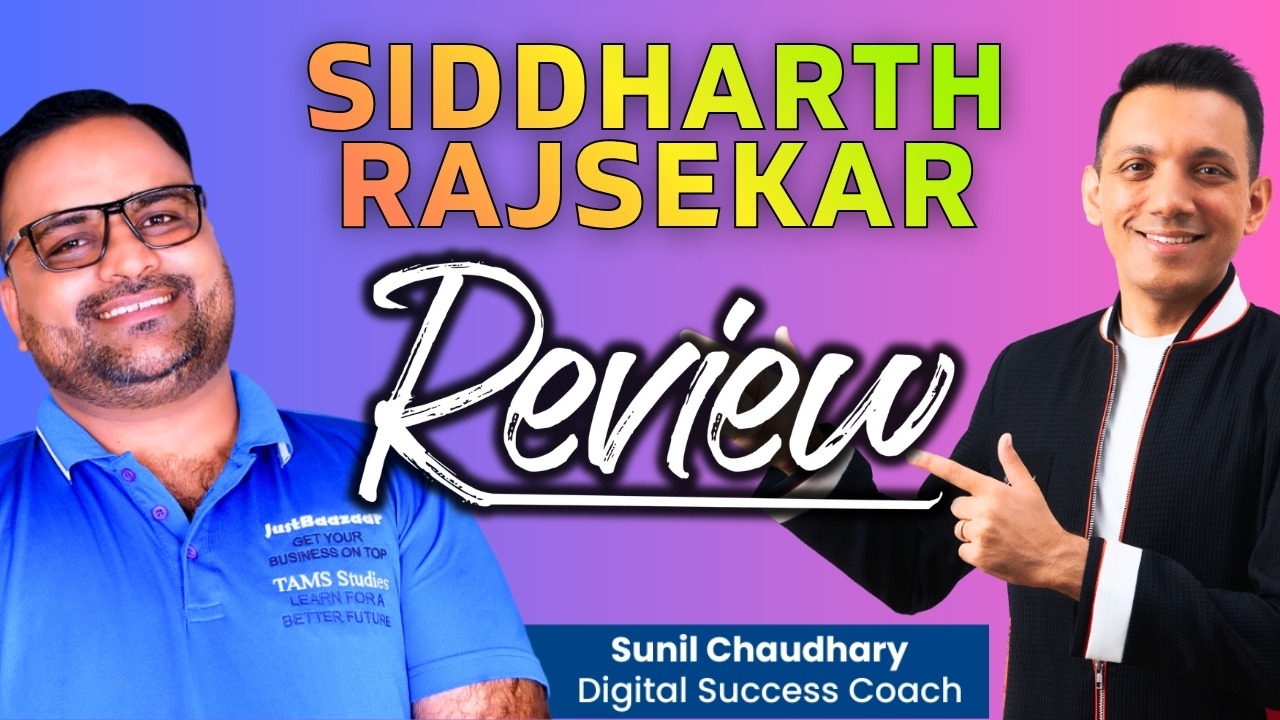
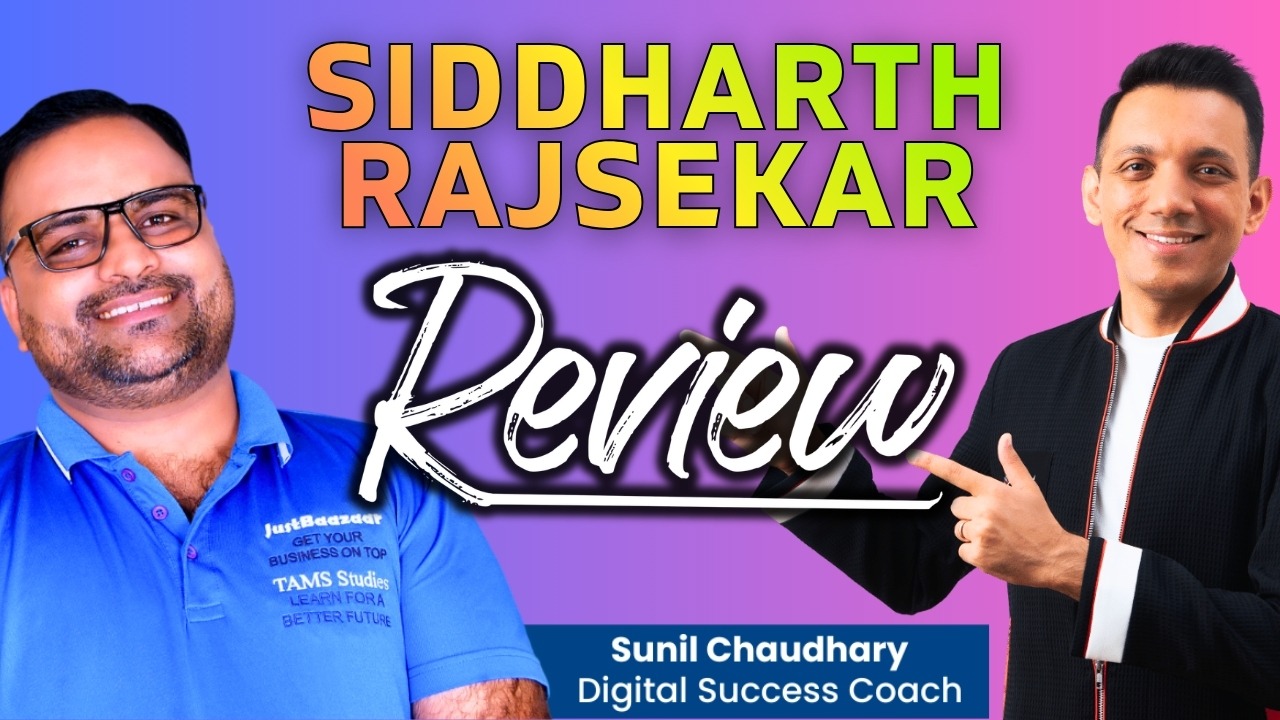
 Launch your Graphy